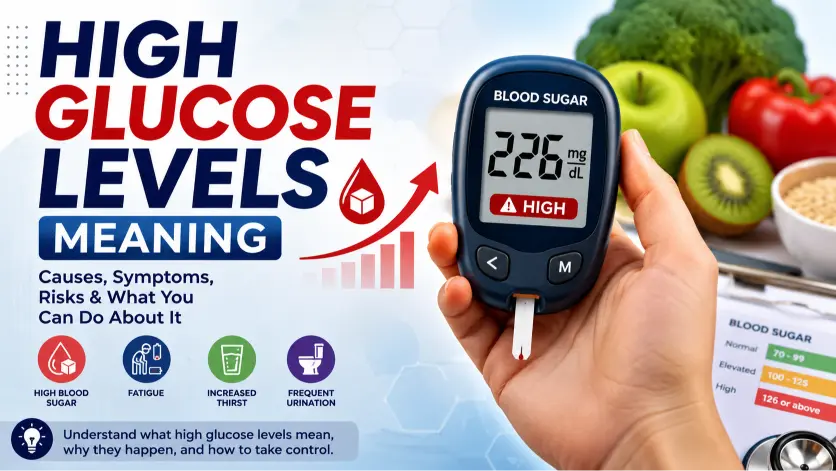
Have you ever looked at a blood test report and noticed that your glucose level was higher than normal? Or maybe someone told you they have “high blood sugar,” and you wondered what that actually means. You’re not alone.
Every day, millions of people search for the high glucose levels meaning because understanding blood sugar is essential for protecting long-term health.
High glucose levels don’t always mean you have diabetes, but they can be an early warning sign that your body is struggling to regulate sugar properly. The sooner you understand what elevated glucose means, the easier it is to make informed lifestyle choices and seek medical advice if necessary.
What Does High Glucose Levels ?
Quick Answer
High glucose levels mean there is more sugar (glucose) in your bloodstream than your body can properly process or use. This condition is commonly called high blood sugar or hyperglycemia and may occur temporarily or indicate an underlying medical condition such as prediabetes or diabetes.
Glucose is your body’s primary source of energy. It comes from the carbohydrates you eat, including foods like bread, rice, fruit, milk, and sweets. After digestion, glucose enters your bloodstream, where the hormone insulin helps move it into your body’s cells to be used as fuel.
When your body doesn’t produce enough insulin—or cannot use insulin effectively—glucose builds up in the bloodstream instead of entering the cells. As a result, blood sugar levels rise above the healthy range.
Although occasional spikes after meals are completely normal, consistently high glucose levels may indicate that your body is having difficulty regulating blood sugar. Left untreated, this can damage blood vessels, nerves, kidneys, eyes, and other vital organs over time.
Pronunciation
Glucose: GLOO-kose
Is High Glucose Always Diabetes?
Not necessarily.
High glucose levels can happen for several reasons, including:
- Eating a large carbohydrate-rich meal
- Physical or emotional stress
- Certain medications
- Illness or infection
- Hormonal changes
- Prediabetes
- Type 1 diabetes
- Type 2 diabetes
- Gestational diabetes
This is why doctors usually perform additional blood tests before making a diagnosis.
What Causes High Glucose Levels?
Many factors can raise blood sugar levels. Some are temporary, while others may point to an underlying health condition.
1. Diabetes
The most common cause is diabetes.
In people with diabetes, the body either doesn’t produce enough insulin or cannot use insulin efficiently. Without enough insulin, glucose remains in the bloodstream instead of entering cells for energy.
Both Type 1 and Type 2 diabetes can lead to persistently high blood glucose.
2. Prediabetes
Prediabetes occurs when blood sugar is higher than normal but not high enough to meet the criteria for diabetes.
Many people with prediabetes experience no symptoms, making regular health screenings especially important.
3. Eating Too Many Refined Carbohydrates
Foods high in simple carbohydrates can quickly raise blood glucose.
Examples include:
- Candy
- Cakes
- Sugary drinks
- White bread
- Pastries
- Sweet cereals
- Desserts
Eating these foods frequently without balancing them with protein, healthy fats, or fiber may contribute to repeated blood sugar spikes.
4. Lack of Physical Activity
Exercise helps muscles absorb glucose from the bloodstream.
When you’re inactive for long periods, your body becomes less efficient at using glucose, increasing the likelihood of elevated blood sugar levels.
Even moderate activities like walking can improve glucose control.
5. Stress
Physical and emotional stress trigger the release of hormones such as cortisol and adrenaline.
These hormones tell your liver to release extra glucose into the bloodstream so your body has enough energy to respond to stress. Frequent or chronic stress may therefore contribute to higher blood sugar.
6. Illness or Infection
When you’re sick, your body naturally produces stress hormones that help fight infection.
Unfortunately, these hormones can also increase blood glucose levels, especially in people with diabetes.
Common examples include:
- Flu
- Pneumonia
- Urinary tract infections
- COVID-19
- Severe bacterial infections
7. Certain Medications
Some medications may increase blood sugar, including:
- Corticosteroids
- Certain diuretics
- Some psychiatric medications
- Certain immunosuppressants
Always discuss medication concerns with your healthcare provider before making any changes.
8. Hormonal Conditions
Hormonal disorders affecting insulin regulation can also contribute to high glucose levels.
Examples include:
- Cushing syndrome
- Acromegaly
- Hyperthyroidism
Although less common, these conditions are important to rule out when blood sugar remains elevated without an obvious cause.
Common Symptoms of High Blood Sugar
Many people don’t notice symptoms during the early stages of high blood glucose. Others experience mild signs that gradually become more noticeable.
Common symptoms include:
- Increased thirst
- Frequent urination
- Extreme hunger
- Fatigue
- Blurred vision
- Dry mouth
- Headaches
- Slow-healing cuts or wounds
- Frequent infections
- Unexplained weight loss (more common in Type 1 diabetes)
Severe Symptoms
If blood glucose becomes dangerously high, symptoms may include:
- Confusion
- Difficulty concentrating
- Fruity-smelling breath
- Nausea and vomiting
- Shortness of breath
- Severe dehydration
- Loss of consciousness
These symptoms require immediate medical attention because they may indicate a serious complication such as diabetic ketoacidosis (DKA) or hyperosmolar hyperglycemic state (HHS).
Who Is More Likely to Develop High Glucose Levels?
Several factors increase your risk, including:
- Family history of diabetes
- Physical inactivity
- High blood pressure
- High cholesterol
- Polycystic ovary syndrome (PCOS)
- Previous gestational diabetes
- Age over 45 years
- Poor dietary habits
- Smoking
Having one or more risk factors doesn’t guarantee you’ll develop diabetes, but it does make regular health checkups more important.
Key Takeaway
Understanding the high glucose levels meaning is the first step toward protecting your health. While temporary increases in blood sugar can happen to anyone, consistently elevated glucose may signal an underlying issue that deserves medical evaluation. Recognizing the causes and early symptoms allows you to take action before complications develop.
How Are High Glucose Levels Diagnosed?
If your doctor suspects high blood sugar, they may recommend one or more blood tests. A single high reading doesn’t always confirm diabetes, so healthcare providers often look at multiple test results along with your symptoms and medical history.
1. Fasting Blood Glucose Test
This test measures your blood sugar after you haven’t eaten for at least 8 hours.
| Result | Blood Glucose Level |
|---|---|
| Normal | Less than 100 mg/dL |
| Prediabetes | 100–125 mg/dL |
| Diabetes | 126 mg/dL or higher (on two separate tests) |
It’s one of the most common screening tests because it’s simple, reliable, and widely available.
2. HbA1c (A1C) Test
The HbA1c test shows your average blood sugar over the past 2–3 months. Instead of measuring glucose at one moment, it provides a broader picture of your blood sugar control.
| Result | A1C Level |
|---|---|
| Normal | Below 5.7% |
| Prediabetes | 5.7%–6.4% |
| Diabetes | 6.5% or higher |
Doctors often prefer this test because it isn’t affected as much by daily fluctuations.
3. Random Blood Glucose Test
A random blood sugar test can be performed at any time of the day, regardless of when you last ate.
A reading of 200 mg/dL or higher, along with classic diabetes symptoms, may indicate diabetes.
4. Oral Glucose Tolerance Test (OGTT)
For this test, you’ll drink a sugary liquid, and your blood sugar will be measured before and after drinking it.
The OGTT is commonly used to diagnose:
- Prediabetes
- Type 2 diabetes
- Gestational diabetes during pregnancy
Normal vs. High Glucose Levels
Understanding what counts as “normal” helps you interpret blood test results with greater confidence.
| Blood Sugar Status | Fasting Level |
|---|---|
| Normal | Under 100 mg/dL |
| Prediabetes | 100–125 mg/dL |
| Diabetes | 126 mg/dL or higher |
After eating, blood sugar naturally rises. For most healthy adults, a blood sugar level below 140 mg/dL two hours after a meal is generally considered normal.
Keep in mind that target glucose ranges may differ depending on your age, pregnancy status, medications, and overall health. Always follow your healthcare provider’s recommendations.
Why Are High Glucose Levels Dangerous?
Occasional blood sugar spikes usually aren’t harmful. However, consistently high glucose levels can damage nearly every organ system over time.
High blood sugar injures blood vessels and nerves throughout the body, increasing the risk of serious health complications.
Short-Term Complications
Very high blood glucose may lead to:
- Severe dehydration
- Fatigue
- Blurry vision
- Frequent urination
- Electrolyte imbalance
- Diabetic ketoacidosis (DKA)
- Hyperosmolar Hyperglycemic State (HHS)
These conditions require emergency medical treatment.
Long-Term Complications
If blood sugar remains uncontrolled for months or years, it can increase the risk of:
Heart Disease
High glucose damages arteries, increasing the likelihood of:
- Heart attack
- Stroke
- High blood pressure
- Poor circulation
Kidney Damage
The kidneys contain tiny blood vessels that filter waste from the blood.
Persistently high blood sugar can damage these filters, eventually leading to chronic kidney disease or kidney failure.
Eye Problems
Diabetes is one of the leading causes of vision loss.
Possible complications include:
- Diabetic retinopathy
- Cataracts
- Glaucoma
- Permanent vision impairment
Regular eye exams help detect these problems early.
Nerve Damage
High glucose may damage nerves throughout the body, causing:
- Tingling
- Burning sensations
- Numbness
- Weakness
- Foot pain
This condition is known as diabetic neuropathy.
Slow Healing
High blood sugar weakens circulation and the immune system.
As a result, cuts, scrapes, and wounds take longer to heal, increasing the risk of infection.
Treatment for High Glucose Levels
Treatment depends on the underlying cause, your glucose readings, and whether you’ve been diagnosed with diabetes.
Most treatment plans combine lifestyle changes with medical care when necessary.
Healthy Eating
A balanced diet is one of the most effective ways to manage blood sugar.
Focus on:
- Vegetables
- Whole grains
- Lean protein
- Beans and legumes
- Healthy fats
- High-fiber foods
- Fresh fruits in appropriate portions
Limit:
- Sugary drinks
- Candy
- White bread
- Pastries
- Highly processed snacks
Eating balanced meals throughout the day can help reduce large glucose spikes.
Regular Exercise
Physical activity helps your muscles use glucose more efficiently.
Aim for at least 150 minutes of moderate exercise each week, such as:
- Brisk walking
- Cycling
- Swimming
- Dancing
- Strength training
Even a 20- to 30-minute walk after meals may improve blood sugar control.
Weight Management
If you’re over weight, losing even 5–10% of your body weight may significantly improve insulin sensitivity.
Small, consistent lifestyle changes often produce lasting results.
Medications
Some people require medication to control blood glucose.
Common options include:
- Metformin
- GLP-1 receptor agonists
- SGLT2 inhibitors
- Sulfonylureas
- Insulin therapy
Your healthcare provider will recommend treatment based on your individual needs.
Blood Sugar Monitoring
People with diabetes often monitor glucose using:
- Finger-stick glucose meters
- Continuous Glucose Monitors (CGMs)
Tracking blood sugar helps identify patterns and evaluate how food, exercise, stress, and medication affect glucose levels.
Can High Glucose Levels Be Prevented?
In many cases, yes.
Although genetics play a role, healthy lifestyle habits can greatly reduce the risk of developing Type 2 diabetes.
Prevention Tips
Eat more fiber-rich foods.
Stay physically active most days of the week.
Limit sugary beverages.
Maintain a healthy body weight.
Get enough quality sleep.
Manage stress through relaxation techniques or mindfulness.
Avoid smoking.✔ Schedule regular health checkups, especially if you have risk factors.
Making gradual improvements is often more effective than attempting drastic changes all at once.
When Should You See a Doctor?
You should speak with a healthcare professional if you:
- Frequently feel thirsty
- Urinate much more than usual
- Experience unexplained fatigue
- Have blurry vision
- Notice slow-healing wounds
- Receive abnormal blood test results
- Have a family history of diabetes
- Record consistently high readings on a home glucose monitor
Early diagnosis allows treatment to begin before complications develop, improving long-term health outcomes.
Here’s the final section of your article. As requested, all SEO elements (meta title, meta description, slug, keywords, etc.) are placed after the Conclusion, not before.
FAQs:
What does high glucose levels mean on a blood test?
High glucose levels on a blood test mean there is more sugar in your bloodstream than normal. This may be temporary due to factors like stress or illness, or it could indicate prediabetes, diabetes, or another medical condition. Your doctor may recommend additional tests to determine the exact cause.
Is high glucose the same as diabetes?
No. High glucose levels do not automatically mean you have diabetes. Blood sugar can rise temporarily after eating, during illness, or because of certain medications. However, consistently elevated glucose levels may be a sign of prediabetes or diabetes and should be evaluated by a healthcare provider.
What is considered a dangerously high glucose level?
A blood glucose level above 180 mg/dL after meals is generally considered high, while readings of 250–300 mg/dL or higher can become dangerous, especially if accompanied by symptoms like vomiting, confusion, or difficulty breathing. Seek immediate medical care if you experience severe symptoms.
Can stress cause high glucose levels?
Yes. Physical and emotional stress can increase hormones such as cortisol and adrenaline, prompting the liver to release more glucose into the bloodstream. This response is temporary for most people but can significantly affect those with diabetes.
Can high glucose levels return to normal?
In many cases, yes. Lifestyle changes such as eating a balanced diet, exercising regularly, maintaining a healthy weight, and following your doctor’s treatment plan can help lower blood sugar. People with prediabetes can often return to normal glucose levels through consistent healthy habits.
Conclusion:
Understanding the high glucose levels meaning is about more than interpreting a lab report it’s about recognizing how your body manages one of its most important energy sources. While occasional blood sugar increases are normal, persistently elevated glucose levels deserve attention because they can signal underlying health conditions that benefit from early intervention.
The encouraging news is that high blood sugar is often manageable. Healthy eating, regular exercise, maintaining a healthy weight, monitoring your blood sugar when recommended, and working closely with your healthcare provider can significantly reduce the risk of complications and improve your overall well-being.
If you’ve recently received test results showing elevated glucose, don’t panic. Use them as an opportunity to learn more about your health, ask informed questions, and take positive steps toward better blood sugar control. Small lifestyle changes made consistently can have a lasting impact.

I’m Lina Roys, a passionate writer behind Storevian, where I make words, phrases, slang, and everyday expressions easy to understand. I create clear, engaging, and reader-friendly content to help people find the meanings they’re looking for, quickly and confidently.


1 thought on “High Glucose Levels Meaning Warning Signs What to Know2026”