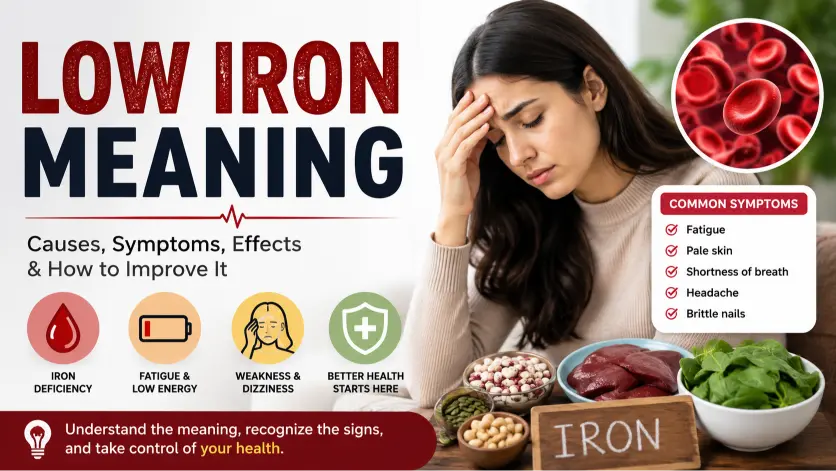
Feeling exhausted even after a full night’s sleep? Getting dizzy when standing up? Or perhaps you’ve recently received blood test results showing low iron and you’re wondering what it actually means.
Millions of people around the world experience low iron every year, making it one of the most common nutritional deficiencies. While many people associate low iron with simply feeling tired, the condition can affect nearly every part of your body from your brain and muscles to your immune system and heart.
Understanding the low iron meaning is important because recognizing the signs early can prevent more serious health problems, including iron deficiency anemia.
In this guide, you’ll learn what low iron really means, why it happens, the symptoms to watch for, how doctors diagnose it, and the most effective ways to restore healthy iron levels. Whether you’re concerned about your own health or helping a family member, this article provides clear, medically informed answers in easy-to-understand language.
What Does Low Iron Meaning Really Mean?
Quick Answer
Low iron means your body doesn’t have enough stored iron to meet its daily needs. Since iron is essential for making hemoglobin—the protein that carries oxygen in red blood cell—low iron can reduce oxygen delivery throughout your body, leading to fatigue, weakness, and many other symptoms.
Simply put, iron acts like the fuel that helps your blood transport oxygen.
Without enough iron, your body struggles to produce healthy red blood cells. As iron levels continue to fall, your hemoglobin may also decrease, eventually causing iron deficiency anemia.
What Is Iron?
Iron is an essential mineral that your body cannot produce on its own.
You obtain it through foods such as:
- Red meat
- Chicken
- Fish
- Eggs
- Beans
- Lentils
- Spinach
- Fortified breakfast cereals
- Pumpkin seeds
- Tofu
Your body stores extra iron mainly in the liver, bone marrow, and spleen. These reserves help maintain normal blood production when dietary intake temporarily decreases.
Why Does Your Body Need Iron?
Iron supports many vital functions beyond making blood.
It helps:
- Produce hemoglobin
- Carry oxygen throughout the body
- Create healthy red blood cells
- Support brain function
- Maintain energy levels
- Strengthen the immune system
- Support healthy muscles
- Assist normal growth during childhood
Without enough iron, these functions gradually become less efficient.
How Low Iron Develops
Low iron usually develops slowly.
The process often happens in stages:
Stage 1: Iron Stores Begin to Drop
Your body uses stored iron to maintain normal blood production.
At this point:
- You usually feel normal.
- Blood tests may detect low ferritin (iron storage).
Stage 2: Iron Deficiency
Iron stores become depleted.
The body starts struggling to make enough hemoglobin.
Symptoms may include:
- Fatigue
- Reduced exercise tolerance
- Difficulty concentrating
- Mild dizziness
Stage 3: Iron Deficiency Anemia
Eventually, hemoglobin levels fall below normal.
This stage causes more noticeable symptoms such as:
- Extreme fatigue
- Shortness of breath
- Pale skin
- Rapid heartbeat
- Weakness
How Common Is Low Iron?
Low iron is extremely common worldwide.
It affects:
- Women with heavy menstrual periods
- Pregnant women
- Children
- Teenagers during growth spurts
- Vegetarians and vegans without balanced diets
- Frequent blood donors
- Older adults
- People with digestive disorders
According to global health organizations, iron deficiency remains the most widespread nutritional deficiency worldwide.
Low Iron vs. Iron Deficiency vs. Anemia
Many people use these terms interchangeably, but they’re not exactly the same.
| Condition | What It Means |
|---|---|
| Low Iron | Iron stores are below normal. |
| Iron Deficiency | The body lacks enough iron for normal function. |
| Iron Deficiency Anemia | Iron deficiency has reduced hemoglobin and red blood cells. |
Think of them as different stages of the same problem.
Not everyone with low iron has anemia but untreated low iron can eventually lead to it.
How Is Low Iron Diagnosed?
Doctors typically diagnose low iron using blood tests.
Common tests include:
- Ferritin
- Hemoglobin
- Hematocrit
- Serum iron
- Total Iron Binding Capacity (TIBC)
- Transferrin saturation
- Complete Blood Count (CBC)
These tests help determine whether your body has enough stored iron and whether anemia has developed.
How to Use the Term “Low Iron” Correctly
Unlike internet slang or abbreviations, low iron is a medical term used to describe reduced iron levels in the body. Using it accurately helps avoid confusion and ensures clear communication with healthcare professionals.
In Everyday Conversation
People commonly say:
- “My doctor said I have low iron.”
- “I’ve been feeling tired because my iron is low.”
- “My blood test showed low iron.”
These are correct and commonly understood ways to use the term.
In Medical Settings
Healthcare providers may use more specific phrases, such as:
- Iron deficiency
- Low ferritin
- Iron deficiency anemia
- Reduced iron stores
- Depleted iron levels
Although these terms are related, they are not always interchangeable. For example, someone can have low iron stores without yet having anemia.
When Not to Self-Diagnose
Feeling tired does not automatically mean you have low iron. Fatigue can result from many conditions, including:
- Poor sleep
- Stress
- Thyroid disorders
- Vitamin B12 deficiency
- Depression
- Chronic illness
The only reliable way to confirm low iron is through appropriate blood tests ordered by a healthcare professional.
Common Situations Where the Term Appears
You may encounter the phrase low iron in:
- Blood test reports
- Medical articles
- Nutrition advice
- Pregnancy care information
- Women’s health resources
- Pediatric health discussions
- Fitness and endurance sports guidance
Understanding the context helps you interpret the information accurately.
Why Understanding “Low Iron Meaning” Matters
Knowing the true low iron meaning empowers you to recognize symptoms early, seek proper medical evaluation, and make informed decisions about your diet and health. Because iron deficiency often develops gradually, understanding the terminology can lead to earlier diagnosis and more effective treatment before complications arise.
How to Recognize the Symptoms of Low Iron
Low iron often develops gradually, so the symptoms may be subtle at first. Many people mistake the early warning signs for stress, lack of sleep, or simply being busy.
As your body’s iron stores continue to decrease, the symptoms usually become more noticeable.
Early Symptoms of Low Iron
The first signs are often easy to overlook.
Common early symptoms include:
- Feeling tired most of the day
- Low energy levels
- Difficulty concentrating (“brain fog”)
- Frequent headaches
- Mild dizziness
- Reduced physical endurance
- Feeling weaker than usual
Many people continue their normal routine without realizing these symptoms are related to iron deficiency.
Moderate Symptoms
As iron levels continue to drop, additional symptoms may appear.
These include:
- Pale skin
- Cold hands and feet
- Shortness of breath during activity
- Faster heartbeat
- Brittle nails
- Hair thinning or hair loss
- Restless legs at night
- Frequent infections
At this stage, everyday tasks such as climbing stairs or exercising may feel much harder than before.
Severe Symptoms
When low iron progresses to iron deficiency anemia, symptoms become more serious.
Possible symptoms include:
- Extreme fatigue
- Chest pain
- Rapid or irregular heartbeat
- Fainting
- Severe weakness
- Difficulty performing daily activities
- Shortness of breath even while resting
These symptoms require prompt medical evaluation.
Less Common Signs
Some unusual symptoms surprise many people because they don’t seem related to iron.
Examples include:
- Craving ice (a condition called pagophagia)
- Craving dirt, clay, or starch (known as pica)
- Sore tongue
- Cracks at the corners of the mouth
- Difficulty swallowing
- Ringing in the ears
- Poor memory
- Mood changes
Doctors sometimes recognize these symptoms as important clues that iron levels are low.
What Causes Low Iron?
Low iron doesn’t happen for just one reason. It usually develops because your body is either:
- Losing too much iron,
- Not getting enough iron,
- Or not absorbing iron properly.
Understanding the cause is just as important as treating the deficiency itself.
1. Blood Loss
Blood loss is one of the most common causes of low iron.
Examples include:
- Heavy menstrual periods
- Stomach ulcers
- Colon polyps
- Gastrointestinal bleeding
- Surgery
- Injury
- Frequent blood donation
Even small amounts of bleeding over a long period can gradually reduce iron stores.
2. Poor Diet
Your body depends on dietary iron because it cannot make iron on its own.
People who may not consume enough iron include:
- Strict vegetarians
- Vegans
- People with highly restrictive diets
- Individuals with eating disorders
- Older adults with poor nutrition
A balanced diet usually provides enough iron for healthy adults, but some people have higher iron needs.
3. Pregnancy
Pregnancy greatly increases iron requirements.
Iron is needed to support:
- The baby’s growth
- The placenta
- Increased maternal blood volume
For this reason, many pregnant women are advised to take prenatal vitamins containing iron.
4. Poor Iron Absorption
Sometimes a person eats enough iron but cannot absorb it effectively.
Possible causes include:
- Celiac disease
- Crohn’s disease
- Gastric bypass surgery
- Chronic intestinal inflammation
- Certain medications that reduce stomach acid
Without proper absorption, iron deficiency can develop despite a healthy diet.
5. Increased Iron Needs
Certain stages of life require more iron than usual.
Examples include:
- Childhood
- Adolescence
- Pregnancy
- Breastfeeding
- Endurance athletes
Growing bodies need extra iron to support healthy development.
6. Chronic Diseases
Some long-term health conditions interfere with normal iron metabolism.
Examples include:
- Kidney disease
- Cancer
- Chronic inflammatory disorders
- Heart failure
These conditions may require specialized treatment beyond simply taking iron supplements.
Who Is Most at Risk?
Anyone can develop low iron, but some groups are affected more often.
People at higher risk include:
- Women with heavy menstrual bleeding
- Pregnant women
- Infants
- Young children
- Teenagers
- Vegetarians
- Vegans
- Frequent blood donors
- Older adults
- People with digestive disorders
- Endurance athletes
Knowing your risk can help you discuss appropriate screening with your healthcare provider.
How Doctors Diagnose Low Iron
Because symptoms overlap with many other health conditions, doctors rely on laboratory tests rather than symptoms alone.
Common blood tests include:
| Test | Purpose |
|---|---|
| CBC | Measures red blood cells and hemoglobin |
| Ferritin | Shows iron stores |
| Serum Iron | Measures iron circulating in blood |
| Transferrin Saturation | Indicates how much iron is available |
| TIBC | Measures the blood’s capacity to carry iron |
| Hemoglobin | Detects anemia |
Doctors may also investigate the underlying cause, especially if iron deficiency appears unexpectedly or repeatedly.
How Is Low Iron Treated?
Treatment depends on the underlying cause and the severity of the deficiency.
1. Iron-Rich Foods
Many mild cases improve with dietary changes.
Good sources of iron include:
Animal Sources (Highly Absorbable)
- Beef
- Liver
- Chicken
- Turkey
- Fish
- Shellfish
Plant Sources
- Lentils
- Chickpeas
- Spinach
- Tofu
- Beans
- Pumpkin seeds
- Quinoa
- Fortified cereals
Animal-based iron (heme iron) is generally absorbed more efficiently than plant-based (non-heme) iron.
2. Iron Supplements
Doctors often recommend supplements for people with confirmed iron deficiency.
Supplements should:
- Be taken exactly as directed
- Be kept away from children
- Not be started without medical advice if the cause of low iron is unknown
Taking more iron than needed can be harmful.
3. Improve Iron Absorption
Small dietary changes can significantly increase iron absorption.
Foods That Help
- Oranges
- Strawberries
- Bell peppers
- Tomatoes
- Kiwi
- Broccoli
These foods are rich in vitamin C, which enhances iron absorption.
Foods That Reduce Iron Absorption
Avoid consuming these at the same time as iron-rich meals:
- Tea
- Coffee
- Calcium supplements
- Large amounts of dairy
Spacing them a few hours apart may improve iron absorption.
4. Treat the Underlying Cause
Simply replacing iron isn’t enough if the root cause continues.
Treatment may involve:
- Managing heavy menstrual bleeding
- Treating stomach ulcers
- Addressing digestive diseases
- Stopping internal bleeding
- Adjusting medications that interfere with iron absorption
Identifying the underlying issue helps prevent recurring deficiency.
Common Mistakes & Misunderstandings About Low Iron
Many misconceptions surround low iron. Understanding the facts can help you make better health decisions.
Mistake #1: Low Iron Always Means Anemia
Not true.
Low iron often occurs before anemia develops. Early treatment can prevent progression to iron deficiency anemia.
Mistake #2: Feeling Tired Always Means Low Iron
Fatigue is common, but it has many possible causes, including:
- Poor sleep
- Stress
- Thyroid disorders
- Vitamin deficiencies
- Depression
- Chronic illnesses
A blood test is needed to determine whether low iron is the cause.
Mistake #3: Everyone Should Take Iron Supplements
Iron supplements are not appropriate for everyone.
Too much iron can accumulate in the body and may damage organs over time. Always consult a healthcare professional before starting supplementation.
Generational Differences in Awareness
Younger adults may learn about low iron through social media, while older generations often associate it only with anemia. Although online platforms have increased awareness, they can also spread misinformation. It’s always best to rely on evidencen based medical advice rather than self-diagnosis from internet trends.
Low Iron Across Different Groups & Everyday Life
Although the biological cause of low iron is the same, its impact can vary depending on age, lifestyle, and health needs.
Children
Children need iron for healthy growth and brain development. Low iron may affect:
- Learning and memory
- Attention span
- Physical growth
- Energy levels
- Immune function
Parents should consult a pediatrician if a child appears unusually tired, pale, or has a poor appetite.
Teenagers
Teenagers often require more iron due to rapid growth. Girls are at an even higher risk after menstruation begins.
Common signs include:
- Fatigue during school
- Poor sports performance
- Difficulty concentrating
- Frequent headaches
Adults
Working adults may dismiss symptoms as stress or burnout. Persistent tiredness, however, should not be ignored—especially if accompanied by dizziness, weakness, or shortness of breath.
Older Adults
Low iron in older adults may be linked to chronic disease or hidden internal bleeding. Because symptoms can overlap with normal aging, routine medical evaluation is important.
Athletes
Long-distance runners and endurance athletes may lose more iron through intense training. Low iron can reduce stamina, delay recovery, and negatively affect performance.
Related Medical Terms
| Term | Meaning |
|---|---|
| Iron Deficiency | A condition where the body lacks enough iron for normal function. |
| Iron Deficiency Anemia | An advanced stage of iron deficiency that lowers hemoglobin levels. |
| Hemoglobin | The protein in red blood cells that carries oxygen. |
| Ferritin | A blood marker that measures stored iron. |
| Anemia | A condition in which the body has too few healthy red blood cells or hemoglobin. |
| Vitamin B12 Deficiency | Another nutritional deficiency that can cause fatigue and anemia-like symptoms. |
| Folate Deficiency | Low folate levels that affect red blood cell production. |
| CBC (Complete Blood Count) | A common blood test used to evaluate overall blood health. |
| Transferrin Saturation | A measure of how much iron is available in the bloodstream. |
| TIBC (Total Iron-Binding Capacity) | A test that helps assess iron levels and transport capacity. |
Suggested Internal Link Opportunities
When building your website, consider linking naturally to related articles such as:
- Iron Deficiency Meaning
- Anemia Meaning
- Hemoglobin Meaning
- Ferritin Test Explained
- Vitamin B12 Deficiency Symptoms
FAQs:
What does low iron mean?
Low iron means your body doesn’t have enough iron to make healthy hemoglobin and red blood cells. This reduces oxygen delivery to tissues and may cause fatigue, weakness, dizziness, and other symptoms.
Is low iron serious?
It can be. Mild iron deficiency may cause few symptoms, but if left untreated, it can progress to iron deficiency anemia and affect your overall health, energy levels, and quality of life.
Can low iron be cured?
Yes. In many cases, low iron can be corrected with an iron-rich diet, supplements prescribed by a healthcare provider, and treatment of the underlying cause. Recovery time depends on the severity of the deficiency.
How long does it take to recover from low iron?
Many people begin to feel better within a few weeks of treatment, but restoring iron stores completely can take several months. Follow-up blood tests help confirm that iron levels have returned to normal.
Can low iron cause anxiety or brain fog?
Yes. Some people with low iron report difficulty concentrating, poor memory, irritability, and feelings of anxiety. These symptoms often improve once iron levels are corrected, although they can also have other causes.
Should I take iron supplements without a blood test?
No. Iron supplements should only be taken under the guidance of a healthcare professional. Excess iron can be harmful, and similar symptoms may be caused by conditions unrelated to iron deficiency.
Conclusion:
Understanding the low iron meaning is about more than knowing a medical definition it’s about recognizing how essential iron is for your body’s ability to produce healthy red blood cells and deliver oxygen where it’s needed most.
Low iron often develops gradually, making early symptoms easy to miss. Persistent fatigue, weakness, dizziness, pale skin, or shortness of breath shouldn’t be ignored. A simple blood test can identify iron deficiency before it progresses to anemia, allowing treatment to begin sooner.
If you suspect your iron levels are low, speak with a qualified healthcare professional rather than self-diagnosing or starting supplements on your own. With the right diagnosis, a balanced diet, appropriate treatment, and regular follow up, most people can successfully restore healthy iron levels and improve their overall well-being.
Have questions about low iron or iron deficiency? Share them in the comments below, and explore our related health guides to learn more about nutrition, blood health, and common medical terms.

I’m Lina Roys, a passionate writer behind Storevian, where I make words, phrases, slang, and everyday expressions easy to understand. I create clear, engaging, and reader-friendly content to help people find the meanings they’re looking for, quickly and confidently.


